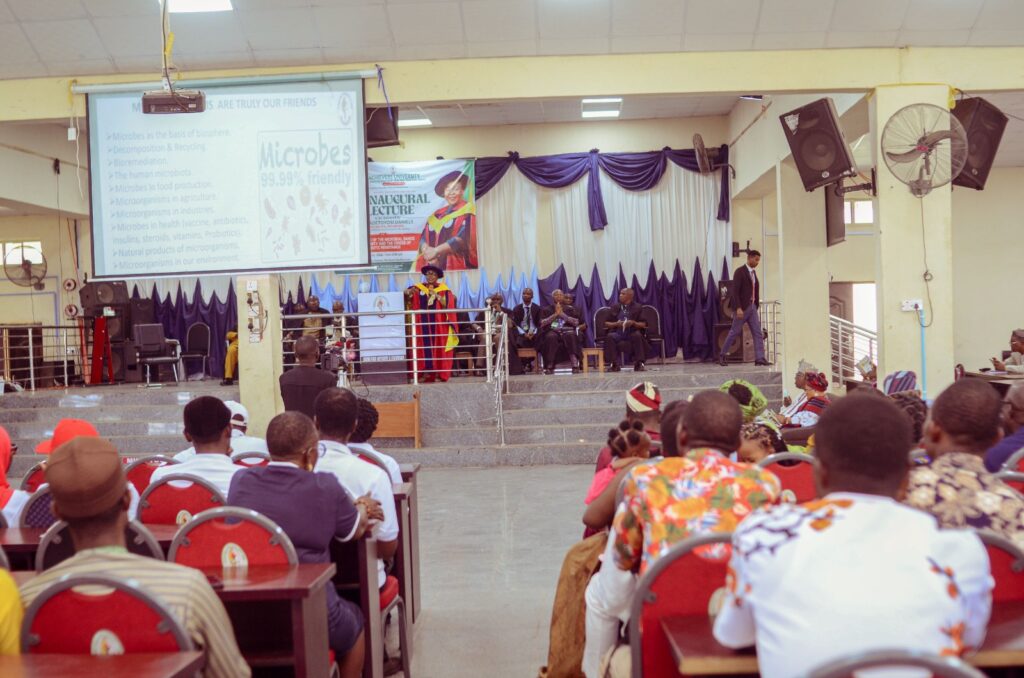

As antibiotic resistance intensifies into a global health emergency, Professor Adetoyosi Daniels has called for urgent investment in plant-based alternatives and innovative therapies to help avert what experts warn could become a post-antibiotic era.
She made the call while delivering the 5th Inaugural Lecture of Achievers University on Wednesday, 18th March, 2026.
 Prof. Daniels, an experienced Medical and Pathogenic Microbiologist and Provost of the College of Postgraduate Studies, warned that humanity is “losing the microbial balance” due to the widespread misuse of antibiotics, which has accelerated the emergence of drug-resistant infections worldwide.
Her lecture, titled “The Paradox of the Microbial Dance with Humanity and the Crises of Antibiotic Resistance,” highlighted projections that antimicrobial resistance (AMR) could claim up to 10 million lives annually by 2050 if decisive action is not taken.
“We are at war with microbes,” she said. “But it is not a war we can win through recklessness. If we fail to act responsibly, microbes will dictate the terms.” She explained that microorganisms, which have existed for more than 3.7 billion years, remain fundamental to life—supporting digestion, immunity, food systems, and environmental sustainability. The human body itself, she noted, functions as a complex microbial ecosystem, relying on trillions of microorganisms for survival.
However, this long-standing symbiotic relationship is increasingly under threat. According to her, the overuse and misuse of antibiotics in healthcare, agriculture, and the environment have driven the rapid rise of multidrug-resistant organisms, now found not only in hospitals but also across food chains, water systems, and soil.
The lecture identified plant-based antimicrobials as a promising frontier in the global search for alternatives. Prof. Daniels presented findings showing that extracts from tropical African plants, including Cleistopholis patens and Carica papaya, exhibit significant antibacterial activity and could serve as templates for next-generation therapeutics. She emphasized that while these natural compounds hold considerable promise, rigorous toxicity testing and dosage standardisation remain essential.
Beyond plant-based approaches, she highlighted emerging scientific solutions such as nanoparticle-based antimicrobials, bacteriocins derived from bacteria like Escherichia coli, and bioactive compounds from deep-sea organisms—innovations that may prove critical as traditional antibiotic development slows.
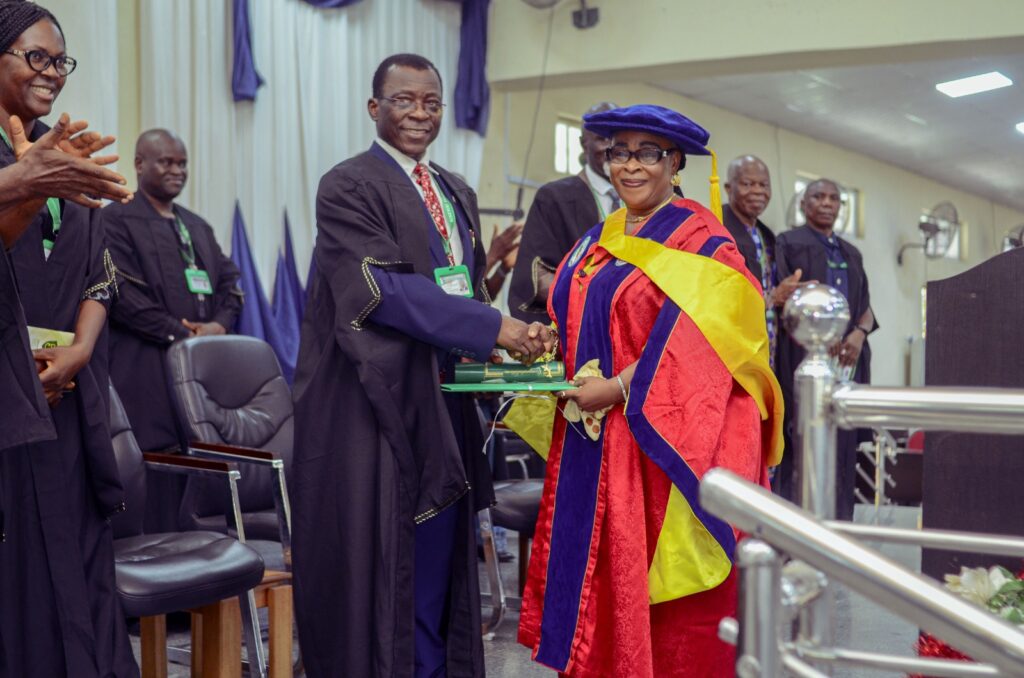
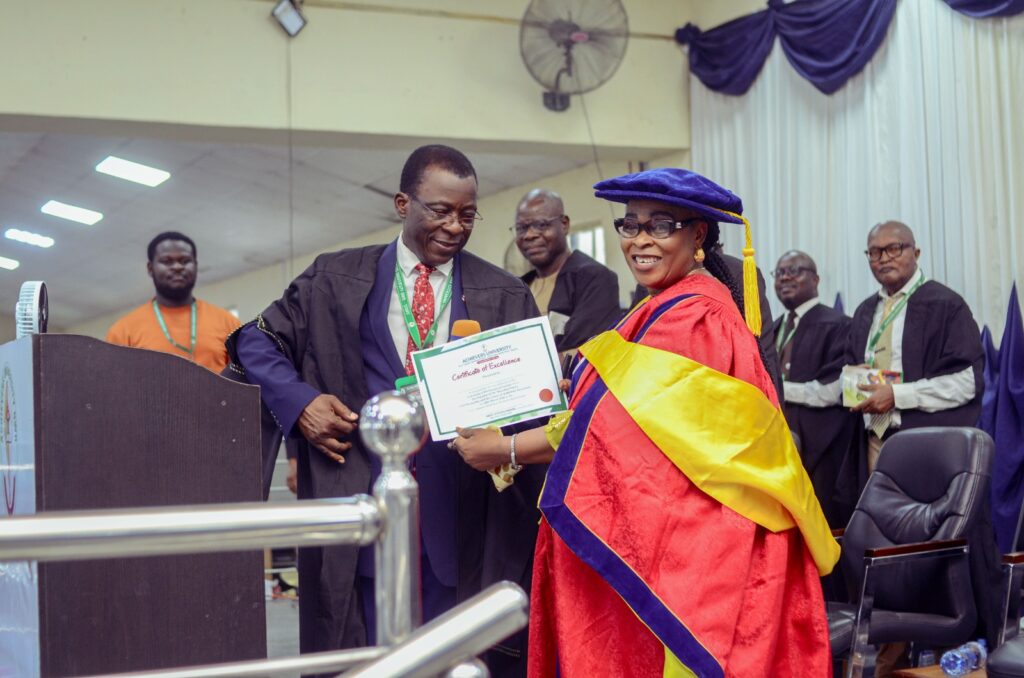
She concluded with a call for a coordinated global response, urging stronger surveillance systems, responsible antibiotic stewardship, increased research funding, and cross-sector collaboration under a “One Health” framework integrating human, animal, and environmental health.
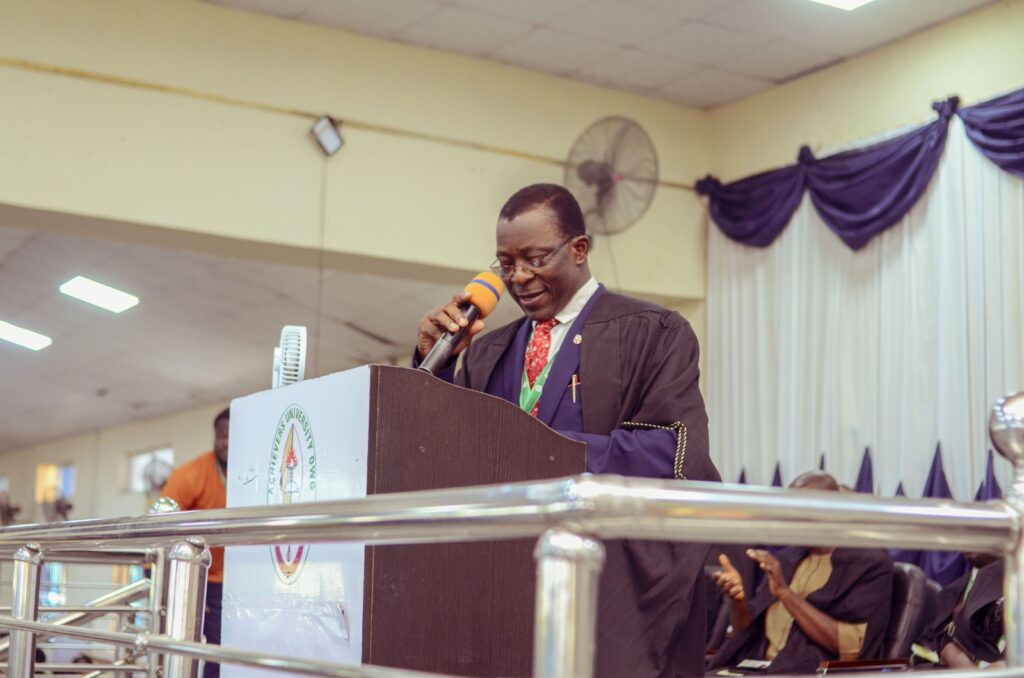 The lecture, held at the Prof. Abubakar Adamu Rasheed Auditorium, was conducted under the auspices of the Acting Vice-Chancellor, Professor Oyesoji Aremu, who described it as a significant contribution to global efforts to combat antimicrobial resistance. He reaffirmed the University’s commitment to impactful research and noted that the future of medicine may depend not only on new technologies but also on rediscovering the therapeutic potential of nature.
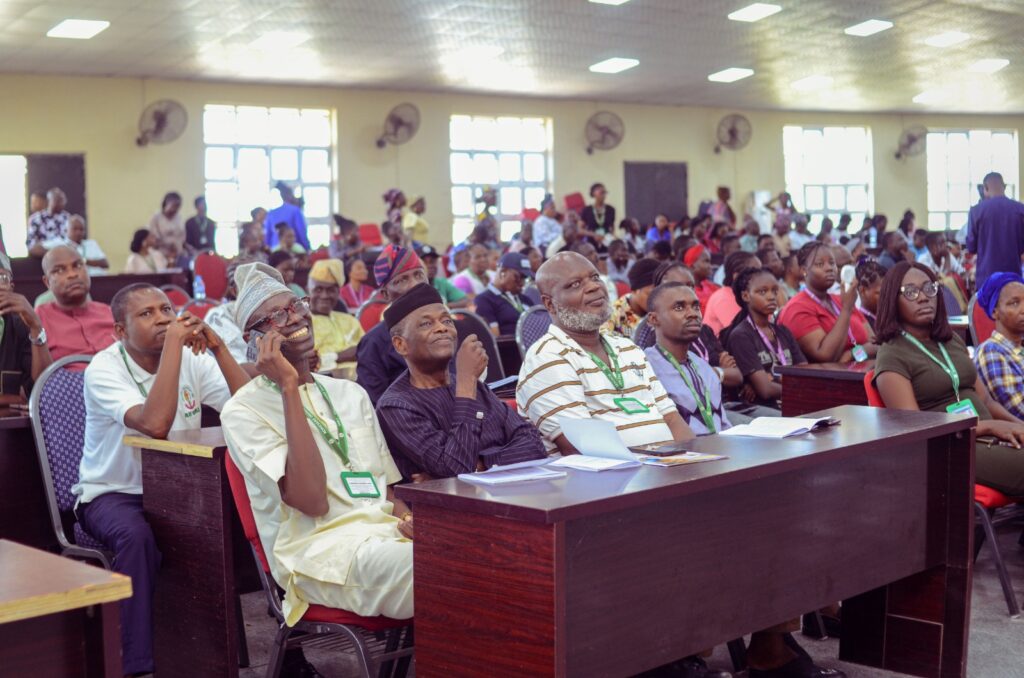
The event attracted a distinguished audience, including His Royal Majesty, Oba (Dr.) Olufaderin Adetimehin, Jimoko II, the Jegun of Ile-Oluji Kingdom; the Pro-Chancellor and Chairman of the Governing Council, Professor Bode Ayorinde; Professor Omolola Irinoye; Professor Lawal Adetula; Professor Sesan Ayodeji; as well as academics from other institutions, policymakers, and traditional leaders.