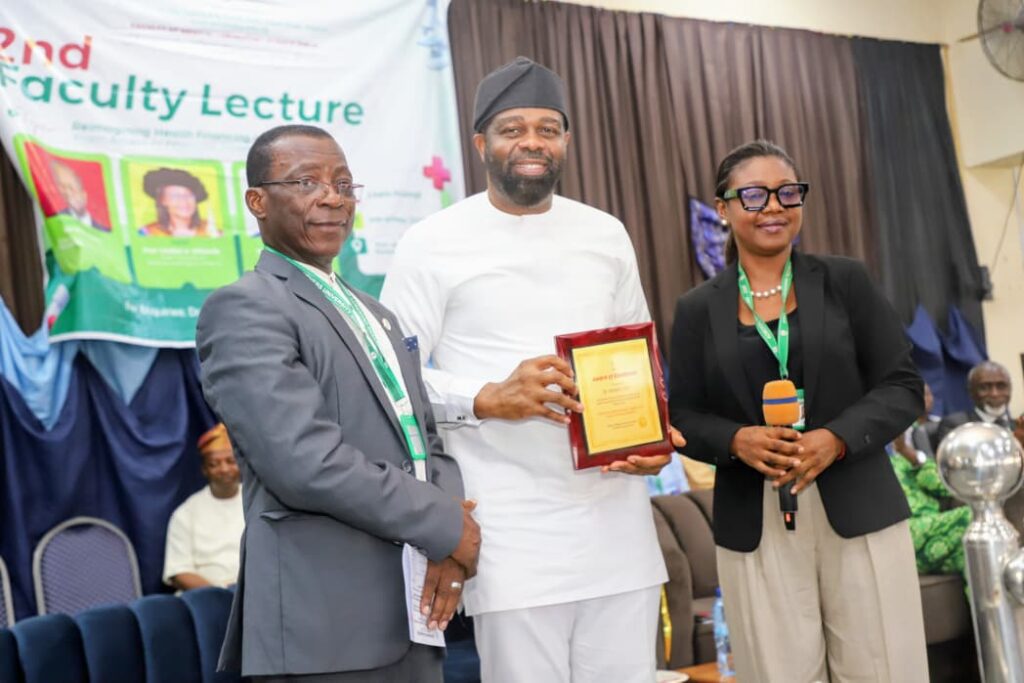

The Director-General of the National Health Insurance Authority, Dr. Kelechi Ohiri, has called for a strategic transformation of Nigeria’s healthcare financing architecture from a narrow focus on healthcare access to a more sustainable system anchored on financial protection for citizens.
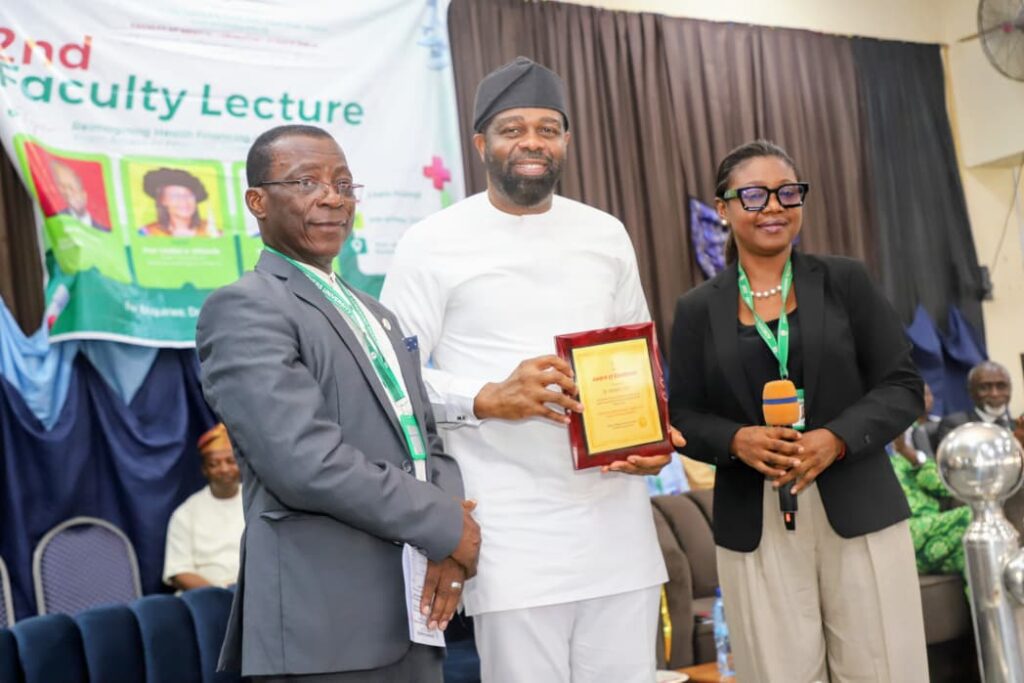
Dr. Ohiri made the call while delivering the 2nd Faculty Lecture of the Faculty of Medical Laboratory Science at Achievers University on Wednesday, 6th May, 2026.
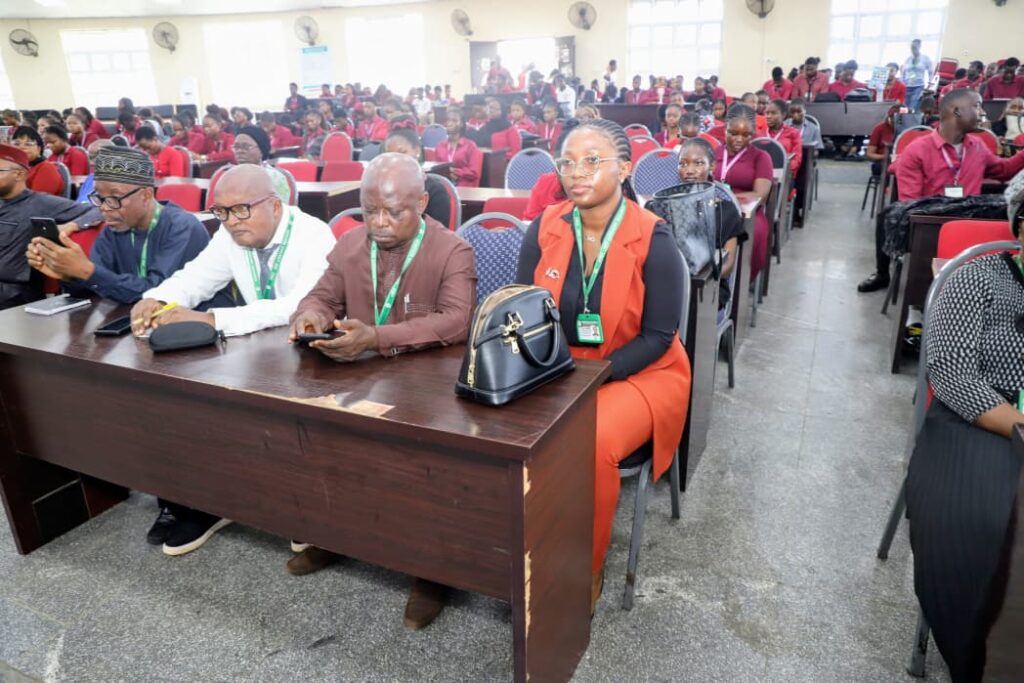
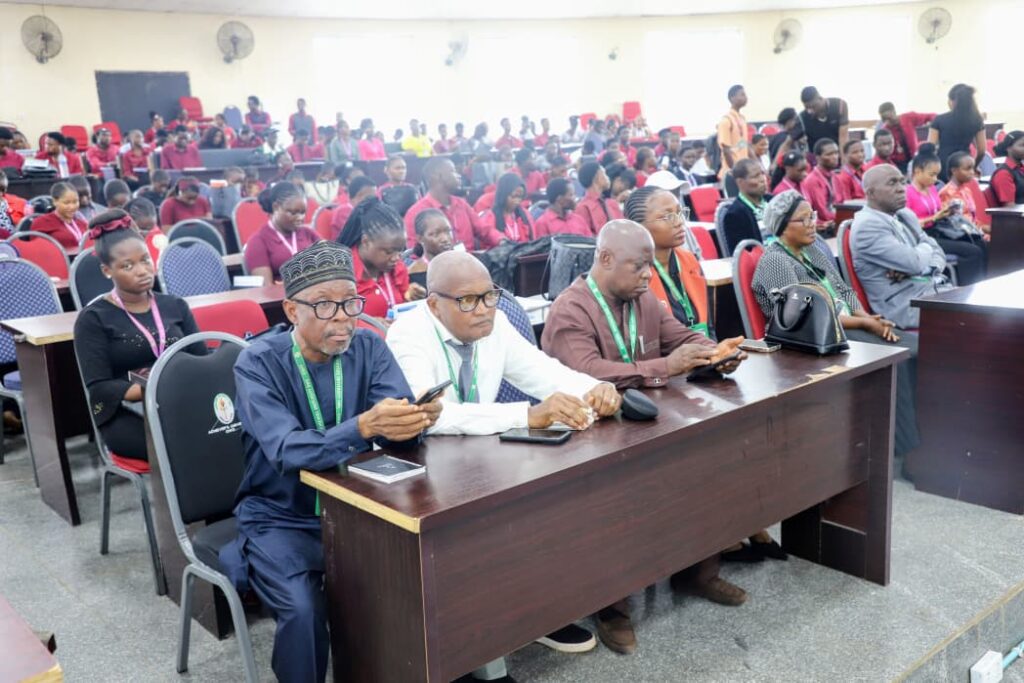
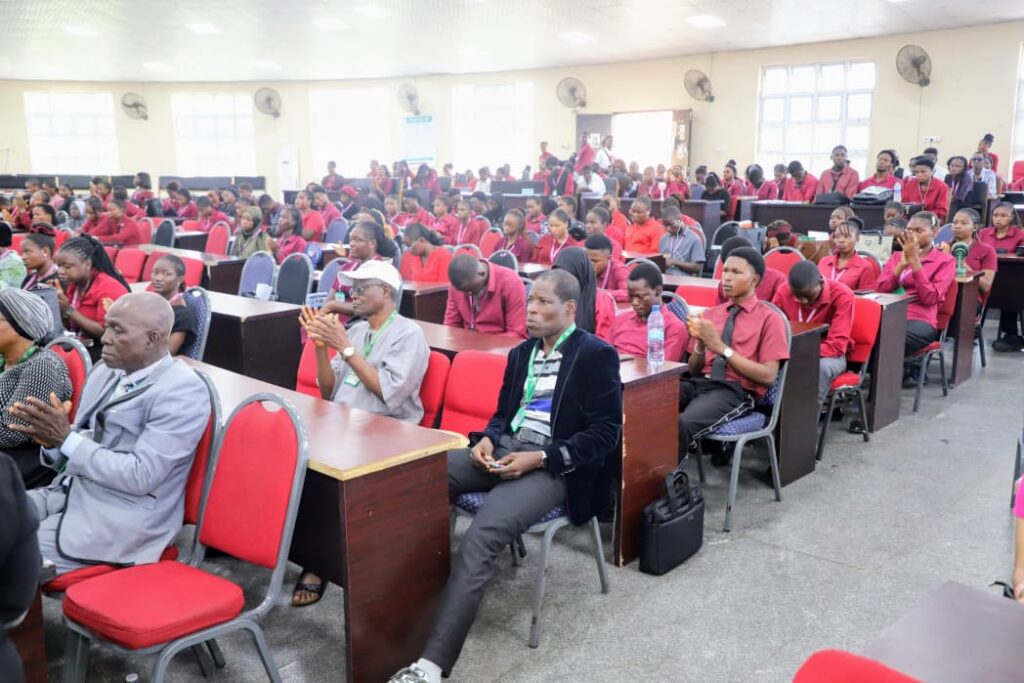
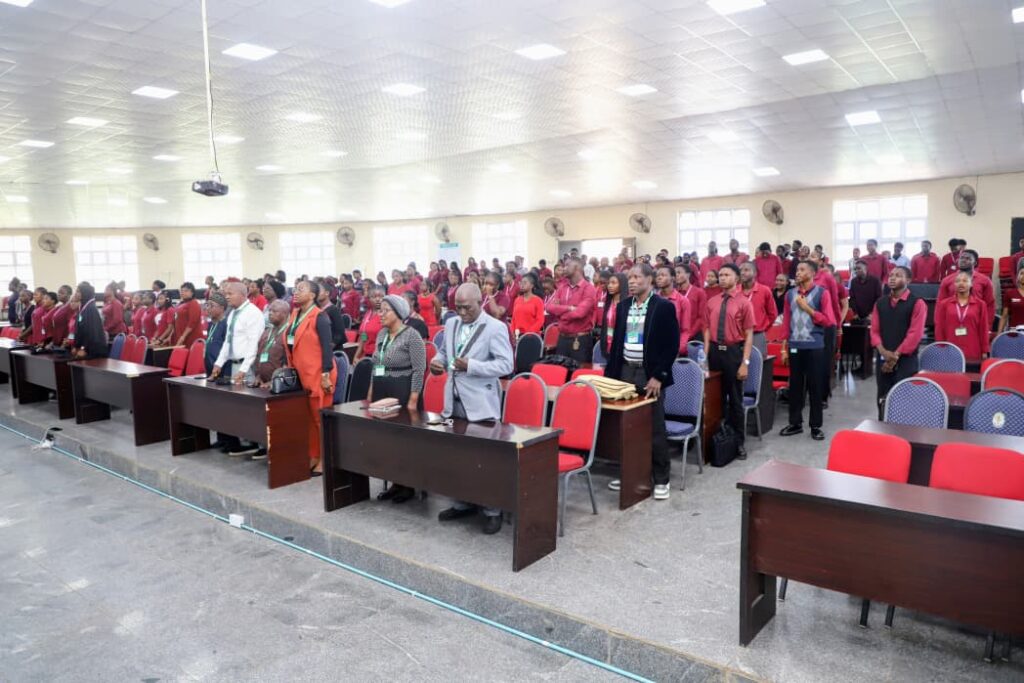
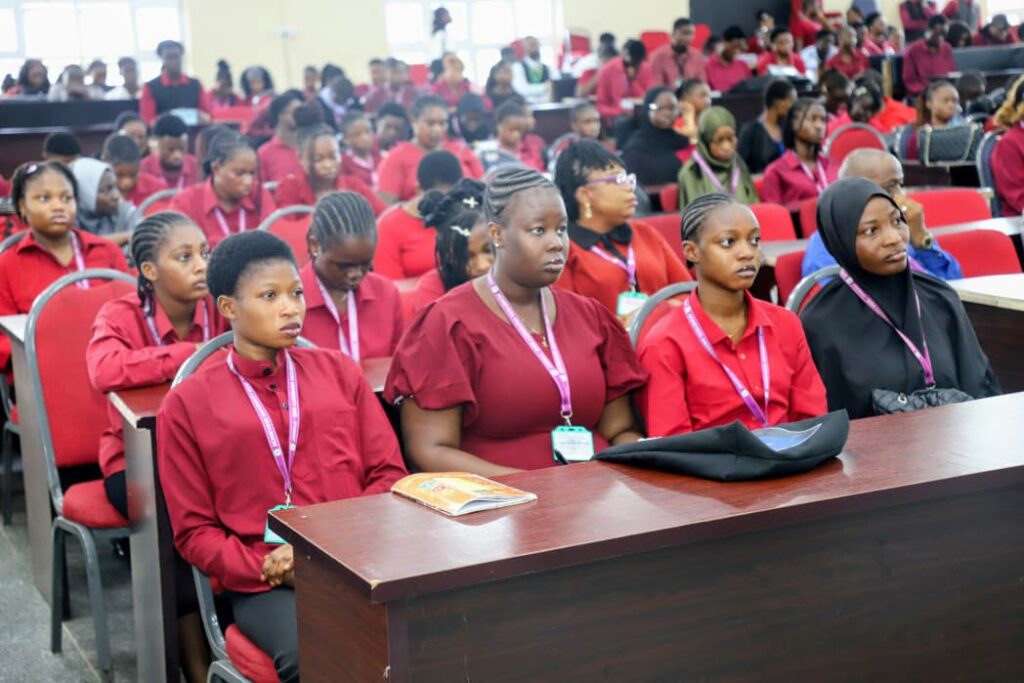
The lecture, titled “Reimagining Health Financing in Nigeria: From Access to Financial Protection,” brought together academics, healthcare professionals, policymakers, students and stakeholders in the health sector to discuss sustainable pathways toward universal health coverage in Nigeria.
In his keynote address, Dr. Ohiri described healthcare financing as both a public health and economic issue, noting that millions of Nigerians still face severe financial hardship due to rising medical costs and heavy reliance on out-of-pocket payments.
“Health financing is not only a health issue; it is an economic survival issue,” he stated, stressing that an effective healthcare system must protect citizens from catastrophic financial burdens during medical emergencies.
According to him, approximately 70 percent of healthcare spending in Nigeria still comes directly from citizens’ pockets, exposing many households to financial shocks and deepening poverty across the country.
He added that over one million Nigerians are pushed further into poverty annually because of healthcare-related expenses, while many households spend more than 10 percent of their non-food expenditure on medical care.
Dr. Ohiri observed that although Nigeria’s health insurance coverage has improved from about five percent to approximately eleven percent within the last three years, the country still trails countries such as Ghana, where health insurance coverage exceeds 60 percent.
Reviewing reforms within the sector, the NHIA Director-General highlighted the significance of the 2022 National Health Insurance Act, which transformed the former scheme into a strengthened regulatory authority and introduced mandatory health insurance alongside a Vulnerable Group Fund for indigent Nigerians.
He explained that the NHIA’s priorities include expanding healthcare coverage, promoting equity, improving service quality and ensuring long-term sustainability within the healthcare system.
Dr. Ohiri also highlighted ongoing institutional reforms and digital innovations aimed at simplifying enrollment, improving transparency and strengthening public confidence in the system through online verification platforms and QR-enabled benefit packages.
Providing updates on recent progress, he disclosed that NHIA enrollment figures have increased from approximately 16 million beneficiaries in late 2023 to about 22 million currently, representing a 34 percent increase within two years.
He further noted that the Authority has strengthened enforcement mechanisms to ensure accredited healthcare providers comply with approved benefit packages and avoid unauthorized charges to enrollees.
Addressing equity and inclusion, Dr. Ohiri explained that intervention programmes funded through the Basic Healthcare Provision Fund and state-supported initiatives currently support millions of vulnerable Nigerians through more than 7,000 primary healthcare centres nationwide.
He also highlighted maternal and newborn healthcare interventions which, according to him, have accredited about 270 healthcare facilities and supported more than 40,000 women and over 2,100 newborns since 2024 through emergency maternal and neonatal care programmes.
The NHIA Director-General further addressed the growing burden of non-communicable diseases such as cancer, hypertension, diabetes and sickle cell disease, noting that partnerships with pharmaceutical companies and healthcare stakeholders are being explored to subsidize treatment costs and expand access to lifesaving care.
On healthcare sustainability, Dr. Ohiri disclosed that the Federal Government recently released about $200 million to stabilize critical programmes affected by declining donor support in areas such as tuberculosis, HIV/AIDS and malaria treatment.
He, however, stressed that long-term sustainability would depend on building stronger domestic financing systems capable of integrating vulnerable populations into health insurance frameworks.
In a development welcomed by the academic community, Dr. Ohiri announced that the NHIA has opened opportunities for Nigerian universities and researchers to contribute directly to healthcare reforms through competitive research grants targeted at innovative and context-specific healthcare solutions.
He disclosed that the Authority had issued an Expression of Interest for research proposals and would soon release a formal Request for Proposals, with grants worth nearly ₦200 million expected to support impactful studies and innovations.
Calling on universities to play more strategic roles in national development, he emphasized the need for stronger research capacity, evidence generation, innovation and manpower development.
He particularly challenged institutions such as Achievers University to continue producing highly skilled healthcare professionals capable of driving transformation within Nigeria’s health sector.
Dr. Ohiri also reaffirmed the NHIA’s commitment to continuous reforms, stakeholder engagement and stronger collaboration with institutions across the country, noting that achieving universal health coverage would require collective action involving government, academia, healthcare professionals and the wider public.
The lecture featured an interactive session during which members of the university community raised concerns regarding healthcare delivery, insurance verification delays, equitable treatment of insured patients and the inclusion of private institutions in national intervention programmes.
Leading the engagement, the Pro-Chancellor and Chairman of Council of Achievers University, Prof. Bode Ayorinde, stressed the need for improved hospital responsiveness, enhanced sensitization for healthcare providers and more efficient emergency treatment protocols to prevent avoidable delays for insured patients.
He also advocated broader inclusion of private universities and their students in government-supported healthcare and research initiatives.
The Acting Vice-Chancellor of Achievers University, Professor Oyesoji Aremu, described the lecture as part of the university’s commitment to bridging the gap between academia, public policy and industry practice through engagements capable of shaping national conversations and influencing reforms.
He noted that the institution remains committed to producing globally competitive graduates while creating platforms where pressing societal challenges can be addressed through research, innovation and strategic dialogue.
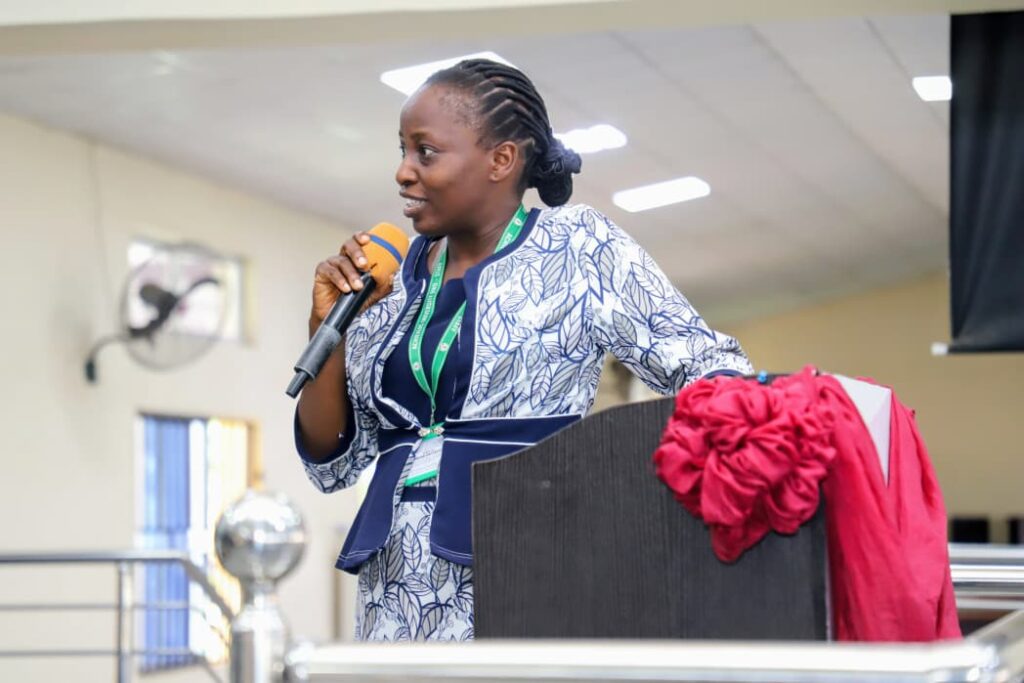
Earlier, the Dean of the Faculty of Medical Laboratory Science, Professor Olabisi Oduwole, described the lecture as timely and strategic, particularly as Nigeria intensifies efforts toward achieving universal health coverage and strengthening healthcare delivery systems.
She emphasized the importance of collaboration between academia and government institutions in generating evidence-based solutions to national challenges.